Research Objectives
The overall methodology is split into three experimental work packages (WP) resulting in the three main project Milestones in which each of the participating countries is in charge of tasks and milestones that will ultimately result in materials with ideal properties, relevant to safe military application. To easily demonstrate the activities conducted, the tasks/ milestones under the specific objective/work package are assigned to the participating countries.
01
Development of durable flame-retardant coating
02
Antibacterial and UV-protective coating production
03
Production of final flame-retardant, antibacterial and UV protective coating


Initial experimental work will involve developing and optimizing the multifunctional coatings. Laboratory experiments will be conducted to demonstrate the feasibility and effectiveness of the coatings applied to various textile substrates (cotton, nylon, polyester). Testing the flame-retardant properties through controlled combustion experiments and durability after washing will be conducted. Antimicrobial and cytocompatibility of the components and textiles will be conducted.
The experiments will include evaluating UV protection through spectroscopic analysis and exposure tests and assessing antimicrobial efficacy against common pathogens (Staphylococcus aureus, Escherichia coli,
Pseudomonas aeruginosa, and Candida albicans). The safety of the developed coatings will be validated through cytotoxicity tests using human-immortalized keratinocyte cell lines (HaCaT) as well as dendritic cells (differentiated from THP-1
cells).
Optimizing the coating processes to ensure consistency and durability, including wash resistance.
Conducting extensive testing under simulated conditions to ensure the coatings meet the required standards. Environmental impact assessments will also be performed to ensure the coatings are safe for human use and do not pose environmental risks during production, use, or disposal.
Security Relevance and Real-World Applications
The proposed project is intrinsically linked to security through its focus on developing advanced military textiles designed to enhance the safety, effectiveness, and survivability of military personnel. The innovations introduced by this project address several critical security concerns:
01
Fire hazards

02
UV protection
03
Microbial infections

04
Durability and safety

Flame-retardant coatings could significantly reduce the risk of fire-related injuries during combat and training. In
scenarios involving explosive devices, incendiary materials, or flammable environments, these textiles could provide
crucial protection, enhancing soldiers' ability to operate more safely under hazardous conditions.
UV-resistant textiles could protect military personnel from harmful ultraviolet radiation, which is a growing concern due to increased outdoor operations and environmental changes. Effective UV protection could prevent long-term health
issues such as burns or even skin cancer, ensuring that soldiers maintain their health and operational readiness.
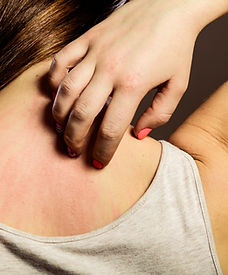
Antimicrobial coatings could mitigate the risk of bacterial and fungal infections, which are prevalent in close-quarter
living conditions and during deployments in challenging environments. Improved hygiene through microbial-resistant textiles could reduce medical downtime and associated healthcare costs, maintaining the overall effectiveness and readiness of military units.
The project's emphasis on environmentally safe and non-toxic materials ensures that the developed textiles are not
only protective but also sustainable and safe for long-term use. This reduces potential health risks associated with prolonged exposure to harmful chemicals, contributing to the overall well-being of military personnel.
Possible Applications of Project Results
01
Military uniforms and gear
02
Protective equipment, tents and shelters
03
Field hospitals and medical kits
04
Civilian applications
Once the advanced military textiles are developed, they can be applied in various ways to enhance security and operational effectiveness:


The primary application could be in the production of military uniforms, including combat fatigues, training gear, and
specialized clothing for different environments (e.g., desert, jungle, arctic). The enhanced protection and durability of these textiles will provide comprehensive safety for soldiers in diverse operational scenarios.
Beyond uniforms, the coatings could be applied to other protective gear such as gloves, masks, and covers for military equipment. This would ensure that all aspects of a soldier's attire and gear contribute to their overall safety and performance. The UV-resistant and flame-retardant properties of the developed textiles could be applied to military tents andtemporary shelters. This would provide enhanced protection for personnel during rest periods and in base camps, particularly in harsh environmental conditions.
Antimicrobial textiles could be used in medical applications, such as field hospital bedding, bandages, and medical uniforms. This will help prevent infections in medical settings, improving the outcomes of field medical treatments and reducing the spread of pathogens.
The innovations from this project could also be adapted for civilian use, particularly for first responders such as
firefighters, police, and emergency medical personnel. Enhanced protective clothing for these professions would
improve their safety and effectiveness in emergencies.